

Mayor of Liverpool Metro orders a ‘revolution’ on cycling and walking.
With schemes to support walking and cycling initiatives having already cut carbon emissions in the city by 1600 tonnes annually, the Liverpool City Region has set a pledge to become a zero carbon region by 2040.
Whilst outlining his region-wide inspiration for “active travel” – a phrase used for travelling by cycling and walking – the Metro Mayor Steve Rotheram has confirmed that the pledge would improve air quality by reducing emissions, have a positive impact on health and well-being and even assist in boosting the regional economy.
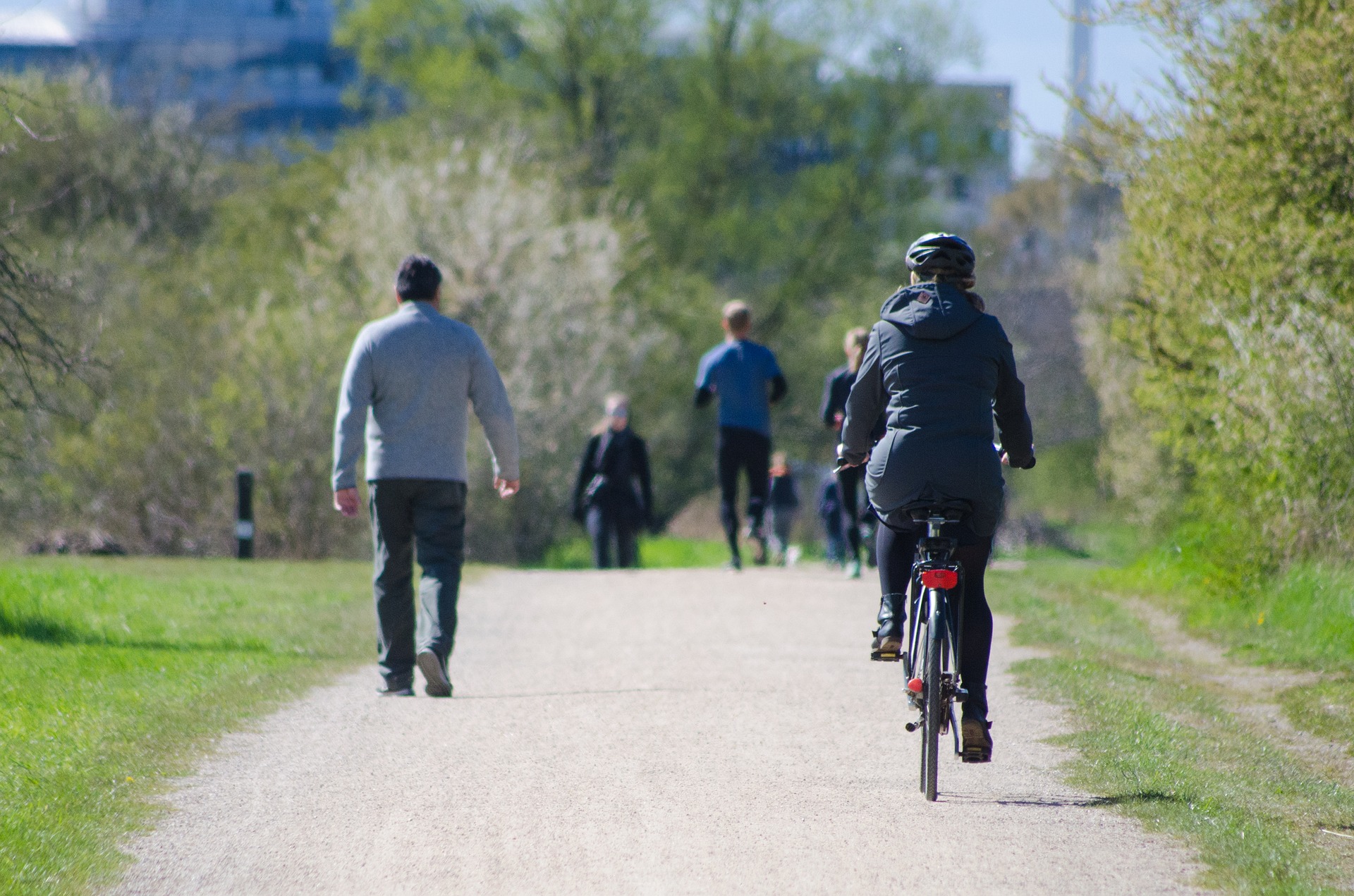
The Mayor also called on people to leave their cars at home in favour of taking more short journeys by foot or bike, and that he wanted to see an ‘active travel revolution’ in the Liverpool City Region within the next 10 years.
Mayor Rotheram, announced: “We are living through a climate emergency,and it is our duty to leave a cleaner planet for future generations. But we need to work together to achieve this, that’s why I’m calling for an active travel revolution in our city region.”
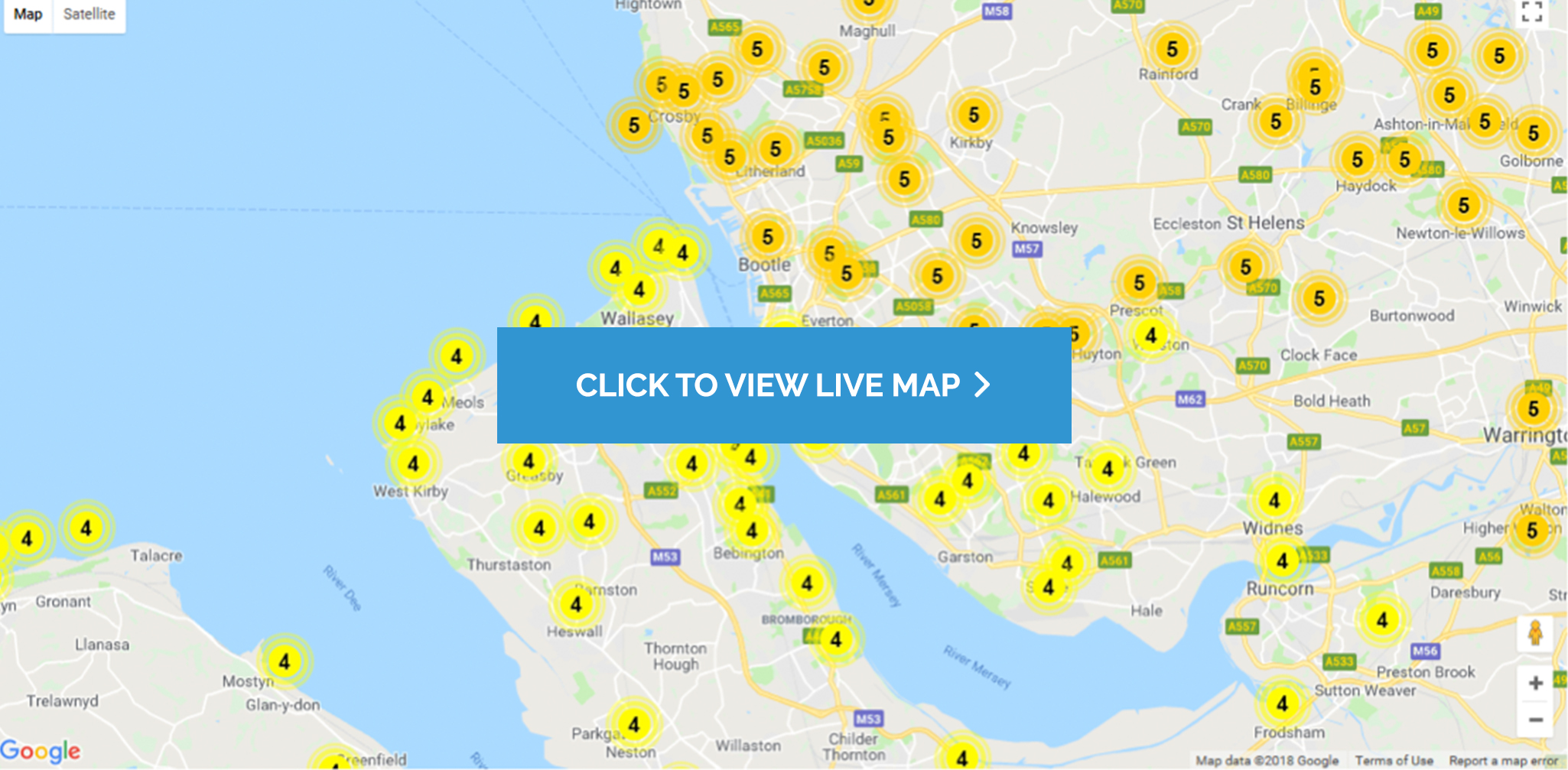
The strategy details that all six local authority areas will receive 600 km of new and improved foot and bike paths between them. This includes area in Halton, Liverpool, Knowsley, Wirral, Sefton and St Helen’s.
These plans were originally announced in 2018 with over £16 million in funding being committed to tending to the first seven main routes, this construction is set to take place in 2020.
The arrangement of the foot and cycle paths will be connected to the larger transport network to include, Mersey Ferries, buses and from 2020 the new trains arriving on the Merseyrail network which propose level access and additional storage space for bikes.
Mayor Rotheram, added: “Building and improving our network of walking and cycling routes to make them safer and easier to use is vital, but we also need to make sure they are part of our plans for a fully integrated local transport network.
“I have been pushing for more devolution and funding for rail in the north, but active travel could be just as important in the development of our city region – and it is something we can step up and deliver without having to wait for Westminster.
“But it is not only about building infrastructure – we need a cultural shift so that people think about walking and cycling as a genuine alternative to the car. That’s why we’re driving forward with schemes to help people to travel by bike or foot, regardless of their background.”
The mayor’s fight for active travel also highlights the steps the region is trying to take to improve local people’s health and wellbeing, as research shows that active travel can help improve this in people who do it regularly. It has been proven that regular walking and cycling reduces the risk of conditions like heart disease or stroke by a third, thus potentially saving the NHS hundreds of millions of pounds over the next decade.
The walking and cycling lead for Sefton Council, Jean Hunt, said: “Getting more people to take journeys by walking and cycling will be hugely positive, not only for air quality and the environment but also for people’s health and wellbeing, with research showing that people who cycle regularly can have the fitness levels of someone ten years younger.”
The encouragement of more walking and cycling in the Liverpool City Region is also anticipated to help deliver on the Mayor’s intention to revitalise the local regional economy, with reliable reports evidencing that enhanced walking and cycling capabilities can dramatically increase high street visitors and expand retail spending by 30 per cent.